Warum Dual-Mode-Funkgeräte in Notfällen wichtig sind
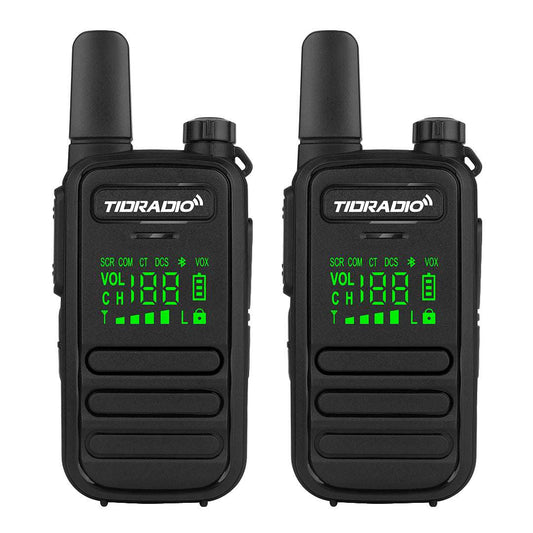
Bei jeder Katastrophe oder jedem Notfall kann eine zuverlässige Kommunikation Leben retten. Wenn Stromleitungen oder Mobilfunkmasten ausfallen, könnten Sie von Ihren Angehörigen und Ersthelfern isoliert werden. Ein Walkie-Talkie bietet eine sofortige Sprachverbindung, ohne dass ein Telefonnetzwerk erforderlich ist. Ein Dual-Mode-Funkgerät geht noch einen Schritt weiter, indem es lokale analoge Kanäle mit landesweiten Mobilfunknetzen kombiniert. Das bedeutet, dass Sie zwei Backup-Systeme gleichzeitig haben: Wenn eines ausfällt, kann das andere Sie verbunden halten. Zum Beispiel ist das TIDRADIO TD-M2 Pro ein Dual-Mode-Funkgerät, das sowohl in 4G PoC (Push-to-Talk over Cellular)-Netzwerken als auch auf lizenzfreien FRS/PMR446-Kanälen betrieben wird. In Ihrem Notfallset stellt ein solches Gerät sicher, dass Sie Ihr Team in der Nähe erreichen und bei Bedarf sogar Personen in der Stadt oder im ganzen Land kontaktieren können.
Push-to-Talk over Cellular (PoC) Funkgerät
Ein PoC-Funkgerät (Push-to-Talk Over Cellular) ist wie ein Walkie-Talkie, das auf einem Smartphone-Netzwerk basiert. Es verwendet eine SIM-Karte und mobile Daten (3G/4G/5G), um Sprache sofort an einen oder mehrere Benutzer überall dort zu senden, wo Mobilfunkempfang vorhanden ist. Drücken Sie einfach eine einzige PTT-Taste, und Sie sind verbunden, ohne Telefonnummern wählen oder Menüs navigieren zu müssen. PoC-Funkgeräte können sofort Gruppen- oder Privatgespräche aufbauen – ideal, wenn die Zeit kritisch ist. Im Gegensatz zu herkömmlichen Funkgeräten, die durch Reichweite oder Repeater begrenzt sind, hat ein PoC-Funkgerät praktisch unbegrenzte Reichweite: Sie können über Städte oder sogar Kontinente hinweg sprechen, solange Sie ein Datensignal haben. Viele Modelle verfügen auch über GPS-Ortung, Textnachrichten, Foto-/Video-Sharing und Notfallbenachrichtigungen. Kurz gesagt, ein PoC-Funkgerät kombiniert die Einfachheit eines Walkie-Talkies mit der globalen Reichweite eines Mobilfunknetzes.
FRS und PMR446: Lizenzfreie lokale Funkgeräte
Analoge Funkgeräte wie das FRS-Funkgerät (Family Radio Service) und das PMR446-Funkgerät bieten Ihnen ein lokales Backup, das nicht auf Infrastruktur angewiesen ist. FRS ist ein UHF-Band-Funksystem (ca. 462–467 MHz), das in den USA und Kanada zugelassen ist. Es bietet bis zu 22 Kanäle (mit einer Leistung von bis zu 2 Watt auf einigen Kanälen) für die Sprachkommunikation auf kurze Distanz. PMR446 ist das europäische Äquivalent (446-MHz-Band) und arbeitet auf 8–16 lizenzfreien Kanälen. Beide Systeme erfordern keine Lizenz oder Gebühren und sind extrem einfach zu bedienen.
-
FRS-Funkgeräte sind ideal für Nordamerika. Sie funktionieren je nach Gelände bis zu ein oder zwei Meilen (Sichtlinie). Sie dringen nicht gut durch Berge oder Gebäude, aber in offenen Gebieten oder Vorstädten halten sie Familie oder Teammitglieder ohne Netzwerk in Kontakt.
-
PMR446-Funkgeräte decken Europa und Teile Asiens mit ähnlicher Leistung ab. Diese werden von Wanderern und Campern zur Koordination vor Ort verwendet. Sie erreichen typischerweise einige hundert Meter in der Stadt und einige Kilometer in flachen Gebieten.
Da FRS/PMR-Funkgeräte direkt von Gerät zu Gerät senden, funktionieren sie auch dann, wenn Mobiltelefone dies nicht tun. Bei einem urbanen Ausfall oder wenn die Abdeckung auf dem Land lückenhaft ist, kann ein lizenzfreies Analogfunkgerät den Unterschied ausmachen. Diese Funkgeräte verfügen oft auch über NOAA-Wetterkanäle (in den USA), sodass Sie Live-Wetterwarnungen und Notfallmeldungen empfangen können. Im Grunde sind FRS- und PMR446-Funkgeräte einfache Push-to-Talk-Geräte: Jeder, der auf denselben Kanal eingestellt ist, hört Sie, mit minimaler Verzögerung und ohne Abonnement. Dies macht sie zu einem perfekten Kurzstrecken-Backup und einem Schlüsselbestandteil eines Dual-Mode-Setups.
Wesentliche Vorteile von Dual-Mode-Funkgeräten
Ein Dual-Mode-Funkgerät in Ihrem Set bietet Ihnen maximale Flexibilität. Ob vernetzt oder netzunabhängig, Sie bleiben in Kontakt. Zu den Hauptvorteilen gehören:
-
Immer-Ein-Backup: Wenn Mobilfunkmasten ausgefallen oder überlastet sind, schalten Sie in den Analogmodus (FRS/PMR), um lokal zu kommunizieren. Wenn Nachbarn oder Familienmitglieder weit entfernt sind, schalten Sie in den PoC-Modus und nutzen Sie das Mobilfunknetz.
-
Sofortiges Push-to-Talk: Kein Wählen erforderlich. Halten Sie einfach die PTT-Taste gedrückt, um zu sprechen, und alle auf dem Kanal oder in der Gruppe hören Sie sofort. Diese Unmittelbarkeit ist entscheidend, wenn jede Sekunde zählt.
-
Gruppenkommunikation: Einfaches Bilden von Ad-hoc-Gesprächsgruppen. Sie können mit Ihrem gesamten Team gleichzeitig sprechen (Eins-zu-Viele), was wesentlich schneller ist als das Versenden von Textnachrichten oder das Anrufen einzelner Personen.
-
Lizenzfreier Betrieb: FRS/PMR-Kanäle sind lizenzfrei nutzbar, ohne spezielle Genehmigungen. PoC-Funkgeräte enthalten oft eine vorbezahlte Daten-SIM-Karte (wie das TD-M2 Pro), mit kostenlosem Service für das erste Jahr, sodass keine laufenden Gebühren für die teamweite Abdeckung anfallen.
-
Wetter und Warnungen: Viele Funkgeräte enthalten NOAA All-Hazards-Wetterkanäle, um Sie vor Tornados, Hurrikanen, Sturzfluten und mehr zu warnen. Eine bereitstehende NOAA-Warnung bedeutet, dass Sie offizielle Notfallinformationen erhalten, sobald diese gesendet werden.
-
Robustheit und Portabilität: Funkgeräte sind robust (viele sind wasserdicht, stoßfest usw.) und werden mit wiederaufladbaren Batterien betrieben. Sie sind für den Einsatz im Freien und unter schwierigen Bedingungen konzipiert und haben typischerweise längere Gesprächs-/Standbyzeiten als Smartphones.
-
Einfach für alle Altersgruppen: Dual-Mode-Funkgeräte wie das TD-M2 Pro sind für eine einfache Bedienung konzipiert – selbst Kinder oder ältere Familienmitglieder können sie schnell bedienen. Der grundlegende Analogmodus ist intuitiv, und der PoC-Modus verfügt normalerweise über einfache Menüs zum Hinzufügen von Kontakten oder Gruppen.
Zusammenfassend deckt ein Dual-Mode-Funkgerät alle Eventualitäten ab: lokale FRS-Funkanrufe zur Koordination in der Nachbarschaft und PoC-Funkanrufe für Langstrecken-Backup über das Mobilfunknetz. Diese Redundanz ist genau das, was ein ernsthaftes Notfallset benötigt.
Beispiel: TIDRADIO TD-M2 Pro Dual-Mode-Funkgerät
Das TIDRADIO TD-M2 Pro ist ein Paradebeispiel für ein Dual-Mode-Notfunkgerät. Es verfügt über zwei separate Push-to-Talk-Tasten:
-
PTT1 (PoC-Modus): Nutzt 4G LTE über eine mitgelieferte SIM-Karte für landesweite oder globale Anrufe. Auch wenn Sie außerhalb der Stadt sind, können Sie andere PoC-Funkgeräte oder Mobiltelefone erreichen, solange Sie ein 4G-Signal haben. Die integrierte IoT-SIM-Karte wird mit 1 Jahr kostenlosem Datenservice geliefert und bietet praktisch unbegrenzte Reichweite für Sprache und Text.
-
PTT2 (FRS/PMR-Modus): Wechselt zu den analogen FRS/PMR-Kanälen (22 FRS-Kanäle plus 11 NOAA-Wetterkanäle). So können Sie direkt mit jedem FRS- oder PMR-Funkgerät in der Nähe sprechen (kein Netzwerk erforderlich). Ideal für Gruppengespräche in der Nachbarschaft oder in Gebieten ohne Mobilfunkempfang.
Weitere Funktionen des TD-M2 Pro sind:
-
Wetterwarnungen: Integrierte NOAA-Wetterfunkkanäle halten Sie 24/7 über Unwetter auf dem Laufenden.
-
Robustes Design: Betrieb mit 4×1500 mAh wiederaufladbaren Batterien für lange Lebensdauer (mit USB-C-Schnellladung) und erfüllt robuste Standards für den harten Einsatz.
-
Globale Abdeckung: Es wird als „Globales Walkie-Talkie“ vermarktet – Sie können in Dutzende von Ländern mit 4G roamen und die PoC-Funktionen weiterhin nutzen, ohne neu programmieren zu müssen.
-
Einfache Einrichtung: Wird mit Standardkanälen und -gruppen geliefert; Anfänger können es einfach einschalten und lossprechen. Für den Analogmodus ist keine FCC-Lizenz erforderlich.
In der Praxis ist das TD-M2 Pro (und ähnliche Funkgeräte) ein großartiges All-in-One-Kommunikationsgerät für eine Überlebenstasche oder ein Fahrzeugset. Sein Dual-Standby-Design bedeutet, dass Sie sowohl beim Wandern im Gelände als auch bei einem Stromausfall in der Stadt abgesichert sind.
Zusätzliche Überlegungen
Denken Sie beim Packen Ihres Dual-Mode-Funkgeräts an ein paar bewährte Vorgehensweisen:
-
Strom: Nehmen Sie Ersatzbatterien oder ein USB-Ladekabel mit. Viele Kits empfehlen Solarladegeräte oder Powerbanks, um Funkgeräte am Leben zu erhalten, wenn keine Steckdosen verfügbar sind.
-
Üben: Bringen Sie Familienmitgliedern bei, wie man das Funkgerät bedient, und einigen Sie sich auf Kanäle/Gruppen für verschiedene Situationen. Führen Sie ein paar Übungen durch, damit sich jeder mit der „PTT“-Etikette wohlfühlt.
-
Antenne: Ziehen Sie die Antenne bei FRS/PMR-Funkgeräten immer vollständig aus, um die beste Reichweite zu erzielen. Im PoC-Modus stellen Sie sicher, dass das Gerät eine klare Sicht auf den Himmel oder zumindest ein gutes Mobilfunksignal hat.
-
Interoperabilität: FRS/PMR sind offene Standards, sodass jedes FRS-Funkgerät im Analogmodus mit Ihrem TD-M2 Pro kommunizieren kann. Ebenso können PoC-Netzwerke markenübergreifende Anrufe ermöglichen, wenn alle dieselbe App/dasselbe System verwenden. Prüfen Sie die Kompatibilität, wenn Sie sich mit anderen koordinieren.
Indem Sie Ihre Ausrüstung planen und testen, machen Sie Ihre Kommunikationsstrategie zuverlässig. Ein Funkgerät ist nur dann hilfreich, wenn Sie wissen, wie man es benutzt, wenn es darauf ankommt.
Fazit
Ein Dual-Mode-Funkgerät ist ein Must-Have für jedes Notfallset. Es überbrückt die Lücke zwischen lokaler, netzunabhängiger Kommunikation und langfristiger Mobilfunkverbindung. Schlüsselwörter wie PoC-Funkgerät, FRS-Funkgerät, PMR446-Funkgerät und speziell das TIDRADIO TD-M2 Pro heben die Arten von Geräten hervor, die für diese Rolle geeignet sind. Wenn eine Katastrophe eintritt, bedeutet ein kombiniertes PoC+FRS/PMR-Funkgerät in Ihrer Ausrüstung, dass Sie mit Freunden und Familie in der Nähe und Ferne sprechen können, selbst wenn die normale Kommunikation ausfällt. Verlassen Sie sich nicht auf ein einziges System – nehmen Sie ein Dual-Mode-Funkgerät mit und stellen Sie sicher, dass Ihre Familie verbunden bleibt, egal was passiert.